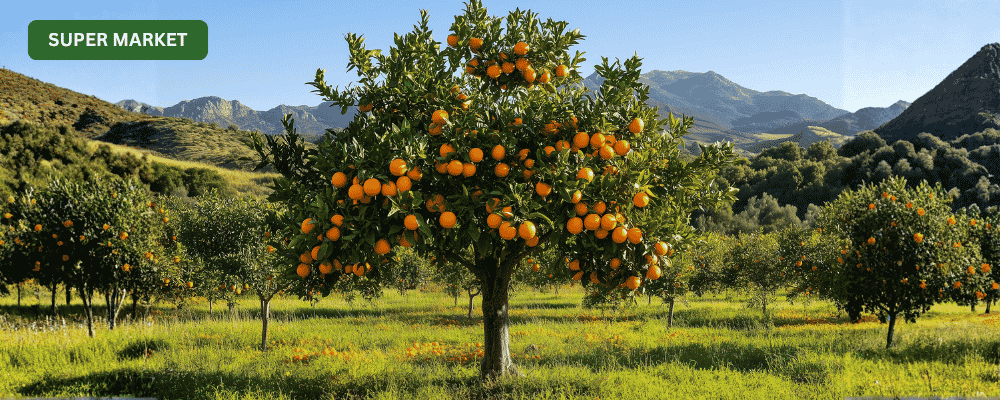
Consuming seasonal fruits offers numerous benefits that extend beyond simple taste and enjoyment. One of the most significant advantages of choosing seasonal options is the enhanced flavor these fruits provide. When fruits are harvested at their peak ripeness, they develop optimal sweetness and juiciness, making them a delightful addition to any meal or snack. This natural flavor enhancement not only elevates the overall eating experience but also encourages healthier eating habits.
In addition to improved flavor, seasonal fruits are known for their superior nutritional value. Fruits picked during their prime season typically contain higher concentrations of vitamins, minerals, and antioxidants, which are essential for maintaining good health. These nutrients play crucial roles in supporting various bodily functions, including immune system support and disease prevention. By indulging in seasonal produce, individuals can ensure they are receiving the maximum health benefits from their diet.
Moreover, choosing seasonal fruits contributes to better freshness. These fruits are often available at local markets shortly after harvesting, minimizing the time between farm and table. This not only ensures that consumers receive fresher produce but also reduces the environmental impact associated with long-distance transportation and storage. Furthermore, purchasing seasonal fruits helps to support local farmers and economies, fostering a sustainable agricultural system. When consumers buy fruits that are in season, they encourage local growers to cultivate a diverse array of crops. This, in turn, strengthens community bonds and promotes the importance of sustainable farming practices.
In conclusion, integrating seasonal fruits into one’s diet leads to flavor-rich, nutrient-dense meals, while simultaneously benefiting local economies and reducing environmental impacts. The importance of eating seasonal fruits cannot be overstated, as it substantially contributes to a healthier lifestyle and a more sustainable world.
A Guide to This Season’s Top Fruits
This season brings a vibrant array of fruits that are not only delightful to the palate but also rich in nutrients. Among the most popular fruits available during this time are apples, pears, and citrus fruits, each offering distinct flavors and versatile culinary possibilities.
Apples, with their crisp texture and juicy flavor, are a hallmark of the fall season. They come in numerous varieties, such as Granny Smith, Fuji, and Honeycrisp, each offering a unique taste profile. Their versatility allows them to be enjoyed raw in salads, baked into pies, or even made into cider. The health benefits of apples are substantial; they are rich in dietary fiber and Vitamin C, making them a wholesome choice for any meal.
Pears, on the other hand, present a softer texture with a sweet, juicy interior. Varieties like Bartlett and Anjou are particularly favored during this season. They can be eaten fresh, poached, or utilized in savory dishes like salads paired with cheese. Moreover, pears are an excellent source of Vitamin K and can help in weight management due to their fiber content.
As the season transitions, citrus fruits such as oranges, grapefruits, and mandarins begin to shine. Known for their refreshing tartness and juiciness, these fruits are perfect for brightening winter meals. They can be consumed straightforwardly, juiced for breakfast, or added to salads for an extra zesty flavor. Citrus fruits are renowned for their high Vitamin C content, which is beneficial for boosting the immune system.
In conclusion, this season offers a rich selection of fruits, each bringing their unique flavors, textures, and health benefits. Embracing these seasonal fruits in your diet can enhance culinary experiences and promote a balanced lifestyle.
Nutritional Breakdown of Seasonal Fruits
Seasonal fruits are not only delightful to the palate but also packed with essential nutrients that can significantly contribute to overall health. Their nutritional profile varies widely depending on the fruit in question, but many of them share common vitamins and minerals beneficial to the body.
Firstly, citrus fruits such as oranges and grapefruits are abundant sources of vitamin C, which is crucial for immune function, skin health, and the absorption of iron from plant-based foods. Additionally, they contain potassium that helps maintain proper heart function and balance body fluids.
Berries, including strawberries, blueberries, and raspberries, are rich in antioxidants and vitamins C and K. These fruits are known for their anti-inflammatory properties and may reduce the risk of chronic diseases such as heart disease and diabetes. The fiber content in berries also aids digestion, promoting a healthy gut microbiome.
Apples are another seasonal favorite that provide a variety of benefits. They are high in fiber, particularly pectin, which can improve gut health and lower cholesterol levels. Apples also contain several phytochemicals that help fight inflammation and may even play a role in weight management.
Stone fruits, like peaches and cherries, are not only delicious but also provide vitamins A and C, potassium, and fiber. Their natural sweetness can satisfy sugar cravings more healthily, while their antioxidants promote healthy aging.
Despite the differences among various types of seasonal fruits, they all share one thing in common: a rich array of vitamins and minerals that can benefit the body in numerous ways. Eating a diverse selection of seasonal fruits can provide a broad spectrum of nutrients essential for optimal health.
Sustainable Farming Practices and Seasonal Produce
Seasonal fruits play a pivotal role in promoting sustainable farming practices that positively contribute to environmental health. Enabling farmers to cultivate crops that are naturally suited to the local climate and soil conditions encourages biodiversity and reduces reliance on harmful pesticides and fertilizers. By focusing on seasonal produce, farmers can implement more organic growing methods, which are often less resource-intensive than traditional farming techniques.
When consumers choose to buy seasonal fruits, they support local farmers who practice sustainable agriculture. This, in turn, fosters local economies and reduces the carbon footprint associated with food transportation. Seasonal produce is typically harvested at its peak ripeness, leading to better flavor, higher nutritional value, and less waste. When fruits are grown according to their natural harvest cycle, energy-intensive agricultural inputs such as artificial heating, cooling, or light become unnecessary. This mitigates energy consumption and preserves valuable natural resources.
Moreover, buying seasonal fruits contributes to soil health. Crop rotation and diversification inherent in seasonal farming practices help maintain nutrient-rich soils and curtail erosion. Farmers who cultivate a variety of seasonal fruits enhance their resilience to pests and diseases, reducing the need for chemical interventions that can harm both the ecosystem and human health. This holistic approach to agriculture encourages sustainable practices that safeguard the environment and increase the viability of farming operations in the long term.
In summary, the relationship between seasonal fruits and sustainable farming goes hand in hand, offering numerous benefits that extend beyond individual nutrition. By embracing the consumption of seasonal produce, consumers actively contribute to a more sustainable future, reinforcing the critical role that agriculture plays in ecological balance and health.
How to Select and Store Seasonal Fruits
When it comes to enjoying seasonal fruits, knowing how to select and store these vibrant treasures is crucial to enhancing your overall experience. As these fruits are often picked at their peak ripeness, following some simple guidelines can ensure you are choosing the best while also maintaining their freshness.
Begin by carefully examining the fruits for any signs of blemishes or damage, as these imperfections can signify deterioration. For example, apples should be firm, uniformly colored, and free from bruises. Likewise, peaches should yield slightly to pressure, indicating proper ripeness along with a fragrant aroma. Practicing a gentle squeeze can help you differentiate between underripe and overly ripe fruits. Additionally, seasonal citrus fruits like oranges should feel heavy for their size and display a vibrant, smooth skin.
After selecting your fruits, proper storage becomes essential in preserving their quality. Most freshly picked seasonal fruits thrive in cool, dry conditions. For fruits such as apples and pears, refrigeration is ideal as it can extend their shelf life. Be sure to store them separately from ethylene-producing fruits like bananas to avoid premature ripening.
On the other hand, berries such as strawberries and raspberries are best kept in their original containers to minimize moisture exposure, and should only be washed just before consumption. Further, fruits like peaches and plums can benefit from being stored at room temperature until ripened, followed by refrigeration to prolong their freshness.
By effectively selecting and storing seasonal fruits with these techniques, you can enjoy their flavors and health benefits while minimizing waste. Making informed choices ensures you savor the very best that nature has to offer during each season.
Creative Ways to Enjoy Seasonal Fruits
Seasonal fruits offer a remarkable level of versatility in the kitchen, allowing for a range of creative culinary applications. Incorporating these fruits into your meals not only enhances the flavor profiles but also adds nutritional benefits. Below are several ideas for utilizing seasonal fruits that will inspire you to experiment.
One popular way to enjoy seasonal fruits is through smoothies. Combine fruits such as strawberries, blueberries, or peaches with yogurt or almond milk for a refreshing and nutritious drink. The addition of spinach or kale can enhance the health benefits, making it an excellent breakfast option or afternoon snack.
Another delightful way to showcase seasonal fruits is through fruit salads. Mixing fruits like watermelon, cantaloupe, and kiwi can create a colorful and refreshing dish. To elevate the flavors, consider adding a splash of citrus juice or a sprinkle of fresh mint. This not only enhances the taste but also presents a visually appealing dish.
Baking seasonal fruits into desserts is also a fantastic approach. A classic fruit crumble featuring apples or berries can make a delightful treat. The sweet, baked aroma combined with a scoop of ice cream contrasts beautifully with the warm, crisp topping. Alternatively, a fruit tart made with fresh seasonal fruits can serve as an elegant dessert for gatherings.
For those looking to enjoy seasonal fruits in savory dishes, try incorporating them into salads or salsas. Mixed greens topped with sliced peaches or mangoes paired with feta cheese can create a stunning salad. Meanwhile, a salsa made from diced pineapple or watermelon can add a unique flair when served alongside grilled proteins, enhancing the overall meal with a fresh, fruity element.
Finally, preserve those seasonal flavors by making jams or pickles. This allows you to enjoy the essence of seasonal fruits throughout the year, providing a delightful reminder of summer days on cold winter evenings. The options are vast, limited only by your imagination and the abundance of seasonal offerings.
The Economic Benefits of Buying Local Seasonal Fruits
Purchasing local seasonal fruits is not only beneficial to consumers in terms of health and flavor, but it also plays a significant role in strengthening local economies. Supporting local farmers by buying their produce helps to keep money within the community. When consumers choose to buy seasonal fruits from nearby sources, the funds are reinvested in local businesses, which can enhance job creation and promote economic stability.
Local farmers typically prioritize quality and sustainability in their farming practices, which means that when buyers support these farmers, they are often investing in responsible agricultural practices. This commitment can lead to healthier soils and ecosystems, promoting long-term agricultural sustainability. Moreover, this economic impact extends beyond the farm; it benefits local markets, grocers, and community organizations, fostering a well-rounded economic environment.
Additionally, buying seasonal fruits reduces transportation costs and environmental footprints since local products do not require extensive shipping from distant locations. The diminished reliance on long-distance transportation can lead to lower prices for consumers, as the costs associated with shipping and import regulations are reduced. This further incentivizes consumers to purchase local produce, reinforcing a cycle that supports the local economy.
Participating in farmers’ markets or local co-ops can serve as a direct link between consumers and producers. These platforms not only create community connections but also enable farmers to receive fair compensation for their products. As consumers buy local, they contribute to fair-trade practices that ensure the viability of small farms in an increasingly competitive marketplace.
In conclusion, the practice of purchasing local seasonal fruits provides monetary benefits that extend well beyond individual consumers, contributing to vibrant and sustainable local economies, fostering community ties, and promoting ecological well-being.
The Environmental Impact of Eating Seasonal vs. Imported Fruits
Choosing to consume seasonal fruits over imported varieties can significantly benefit the environment, particularly in terms of reducing the carbon footprint associated with food transportation and promoting sustainability. Seasonal fruits, which are harvested during their natural growing cycles, typically require less energy for transportation. This is largely because they are grown locally or regionally, minimizing the distances they must travel to reach consumers. In contrast, imported fruits often traverse long distances, which involves extensive use of fossil fuels for shipping and transportation. This process contributes to greenhouse gas emissions that exacerbate climate change.
Furthermore, the cultivation of seasonal fruits tends to align more closely with local agricultural practices, which often emphasize sustainable farming techniques that protect the ecosystem. Local farms that grow fruits in accordance with the natural seasons frequently utilize fewer pesticides and chemicals, which helps maintain biodiversity and soil health. In contrast, imported fruits are sometimes grown in monoculture systems that deplete local resources and harm the environment.
Additionally, opting for seasonal fruits supports local economies, promoting sustainable agricultural practices and fostering community resilience. Farmers markets and local growers rely on consumer support for seasonal produce, reinforcing the importance of local economies while also nurturing connections between consumers and producers. This relationship can lead to greater awareness about sustainability and environmental responsibility.
Ultimately, embracing seasonal fruits is not just a choice for individual health but also a commitment to the well-being of the planet. By minimizing transportation emissions, supporting sustainable farming, and bolstering local communities, consumers can make a positive impact on the environment through their dietary choices.
Where to Find the Best Seasonal Fruits
Finding the best seasonal fruits can enhance both your culinary experiences and nutritional intake. This guide will identify various sources where consumers can reliably purchase fresh, seasonal fruits.
Local farmers’ markets are among the premier venues for sourcing seasonal produce. These markets often feature a wide variety of fruits that are in season, directly obtained from local farms. When you shop at these markets, you can not only find fresh options but also learn from the growers about the best ways to enjoy their fruits. Many farmers also follow organic practices, ensuring that you get fruits that are free from harmful pesticides and chemicals.
In addition to farmers’ markets, grocery stores can be an excellent alternative for those seeking seasonal fruits. Large supermarkets frequently carry a selection of in-season fruits, which are often highlighted in their produce section. Many grocery stores now source their fruit from local suppliers, and shoppers can look for signage that indicates where the produce is grown. Additionally, supermarkets offer the convenience of one-stop shopping for all grocery needs, allowing for an efficient and straightforward shopping experience.
Moreover, the rise of online platforms has revolutionized the way consumers purchase seasonal fruits. Several websites and mobile applications specialize in delivering fresh produce directly to your door. These platforms can connect you with local farmers and cooperatives, ensuring that you receive the freshest fruits available. Some services even offer subscription boxes that are curated based on the season, allowing you to discover new varieties and flavors you might not have considered otherwise.
Each of these sources provides unique advantages, allowing consumers to enjoy the delightful tastes and health benefits of seasonal fruits. By utilizing local farmers’ markets, grocery stores, and online platforms, you can ensure that your fruit selections are fresh, flavorful, and full of nutrients, enhancing your overall eating experience.